
Loot Box Laws Explained
Loot Boxes Explained: Where They Are Regulated and Why
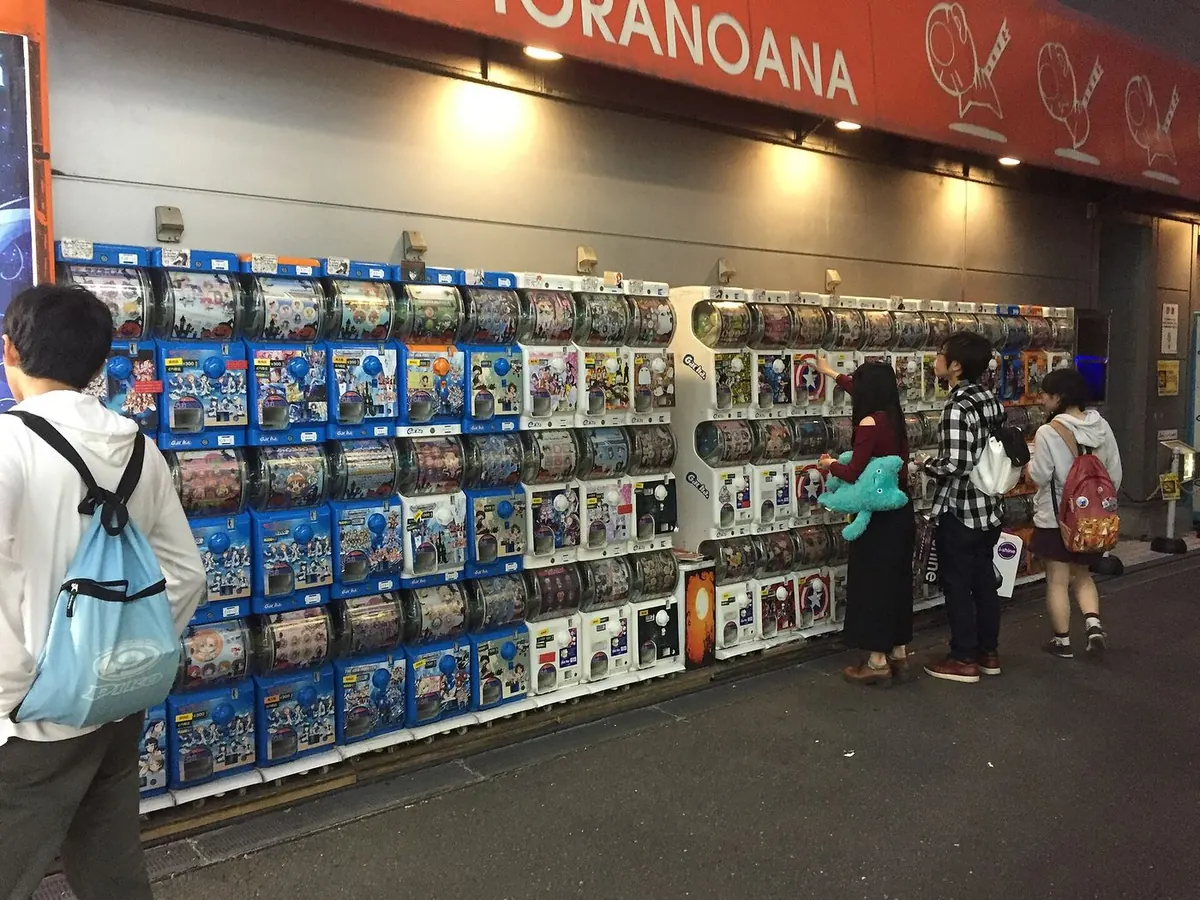
Loot boxes are a potential minefield of regulation for publishers. In-game purchases may be treated as gambling in some countries, while others have voluntary or mandatory rules instead. China requires odds to be published, while Belgium's gambling regulator treats some paid loot boxes as illegal gambling. Apple and Google both mandate probability disclosure, too. Here's a region-by-region guide to how loot boxes are regulated.
What Are Loot Boxes?
Players purchase randomized rewards. Publishers in turn are given repeat business, but loot box purchasers are taking a gamble. Many contain virtual items that do not affect gameplay, codes for playable characters, equipment that's hard to get, virtual in-game currency and random cosmetic changes. Loot boxes appeared in the late 2000s and spread widely through the 2010s. Disclosure rules, plus gambling bans and platform storefront policies, came into place from then on.
Since May 2017, China's loot-box disclosure rule has required publishers to announce the chances of rare loot.
Around April 2018, Belgium followed a different approach, deeming that paid loot boxes fell under gambling. That effectively banned that form.
Which Countries Have Banned Paying For Random Rewards?
Bans are rare beyond Belgium. Belgium banned some paid loot boxes from 2018, a decision it defined as simply enforcing existing gambling law.
In the Netherlands, the gambling regulator found in 2018 that some paid loot boxes broke gambling law, but in 2022 the Council of State overturned its fine against Electronic Arts over FIFA Ultimate Team packs. Since that ruling, paid loot boxes are not treated as banned there.
Transparency is the Usual Rule, Not a Ban
Belgium chose to enforce. The UK in 2022 declined to treat them as gambling, instead going for industry self regulation: age limits on purchases and spending controls. Apple and Google are also responsible: odds are required for paid loot boxes accessed through them.
Check before you spend
Until you can verify details of what your local laws and codes state on the subject, parents and players don't have many cards in their hand.